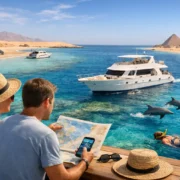
That first look into clear Red Sea water can change your whole day. One minute you are on the boat getting your mask ready, and the next you are floating above coral gardens, bright fish, and water so clear it barely looks real. The right things to pack for snorkeling make that experience better from the start – more comfortable, less stressful, and a lot more fun.
Some travelers overpack and carry gear they never touch. Others bring almost nothing and end up dealing with sunburn, foggy masks, sore feet, or wet bags full of ruined belongings. The sweet spot is simple. Pack the essentials that protect your comfort, save time on the boat, and help you enjoy every minute in the water.
The things to pack for snorkeling that matter most
Start with what affects your actual time in the water. A well-fitting swimsuit is obvious, but it matters more than people think. If it shifts, ties awkwardly, or feels loose when you jump in, it becomes distracting fast. Choose something secure enough for swimming, climbing ladders, and moving around on a boat without constant adjusting.
A rash guard or swim shirt is one of the smartest pieces you can bring, especially in sunny destinations like Hurghada. It adds light protection from the sun and can also reduce irritation from saltwater or gear rubbing against your skin. Some people prefer sunscreen only, but if you plan to snorkel for a long stretch, fabric coverage usually feels easier and more reliable.
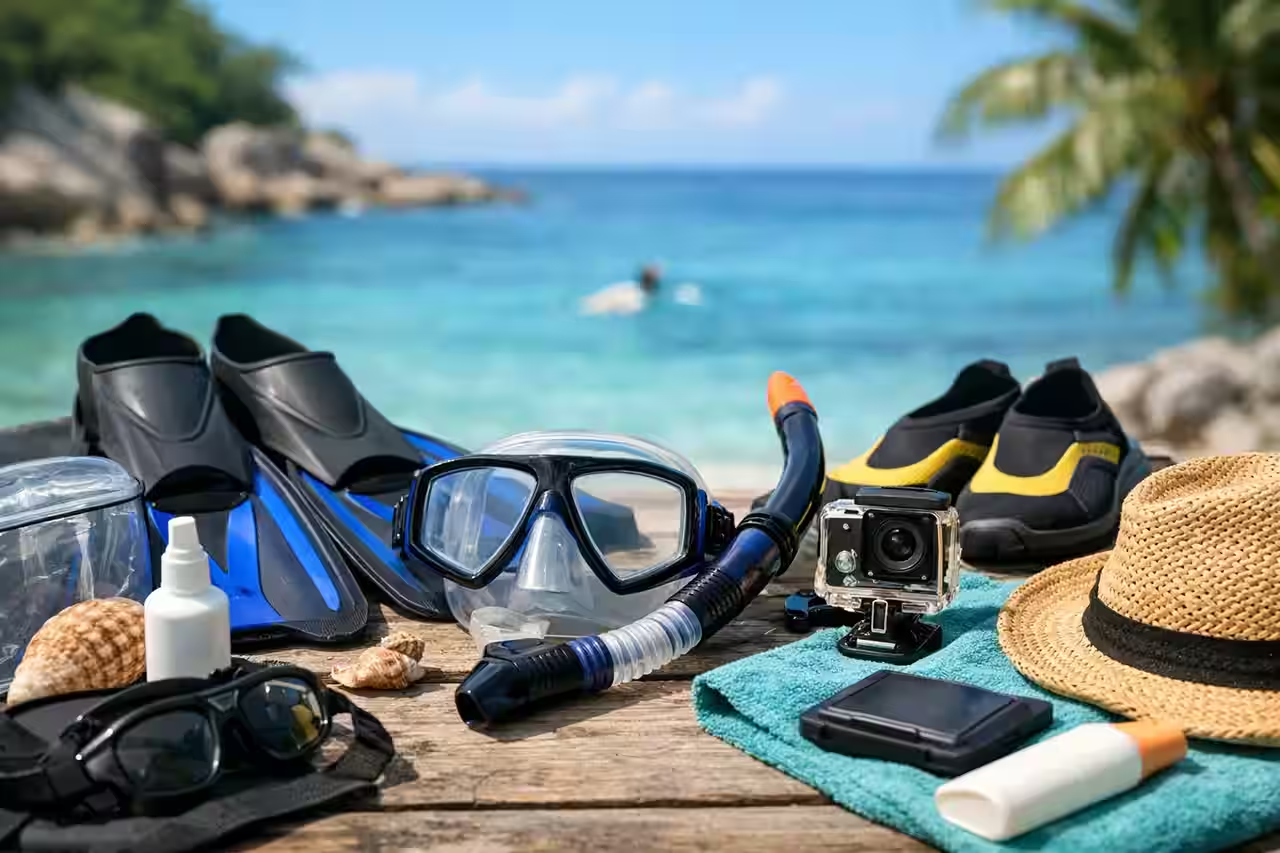
Your mask and snorkel can be worth packing if you already own a set that fits you well. Fit is everything. A great mask can make snorkeling feel effortless, while a poor one leaves you clearing water every few minutes and missing the view. If you do not have your own, that is fine too – many travelers prefer to save luggage space and use trip equipment. It depends on how often you snorkel and how picky you are about comfort.
Fins are more of a maybe. They help you move efficiently and save energy, especially if currents pick up a little or the reef area is wide. But they also take up luggage space. For a one-off vacation excursion, many travelers skip packing them. For anyone planning several water days, bringing your own familiar pair can be a good move.
Don’t underestimate sun protection
The sun feels stronger on the water because it hits from above and reflects off the surface. That is why sunscreen is non-negotiable. Choose a water-resistant option and apply it well before getting in. Your shoulders, the back of your neck, your ears, and the backs of your legs are the spots people forget most.
A hat and sunglasses matter before and after snorkeling, even though they obviously do not go in the water with you. Time on deck adds up quickly. Waiting at the marina, cruising to the reef, relaxing between stops – all of that can leave you more sun-exposed than the swim itself. Polarized sunglasses are especially useful because they cut glare and make it easier to enjoy the views from the boat.
If you burn easily, bring a light cover-up or a dry T-shirt for the return ride. Salt on skin plus direct sun can get uncomfortable fast, and a little extra coverage can be the difference between ending the trip energized or drained.
What to pack for comfort on the boat
The best snorkeling trips are not just about the reef. They are also about the hours around it. A towel is essential, and it is worth choosing one that dries reasonably fast instead of a thick hotel-style towel that stays heavy and damp all day.
A dry bag is one of those items that feels optional until you need it. It keeps your phone, wallet, and other small valuables protected from splashes and wet decks. Even on organized trips, boats are active environments. Water gets everywhere. If you want one simple item that reduces stress, this is it.
Flip-flops or easy slip-on sandals are useful around the boat, but water shoes can be even better in some situations. If you are getting in from a shoreline, stepping onto rocky areas, or walking over hot surfaces at a marina, extra foot protection is a real advantage. They are not always necessary, but they are often appreciated.
A reusable water bottle is another smart addition. Snorkeling looks peaceful, but swimming in the sun is tiring. You lose more energy than you expect, and staying hydrated helps you enjoy the whole day. If your trip includes several stops, you will be glad you packed it.
Small extras that make a big difference
This is where smart packers stand out. Anti-fog solution or even simple anti-fog wipes can save you from the classic mask problem. Few things are more frustrating than floating over beautiful reef while constantly stopping to clear your lenses.
A waterproof phone pouch is handy if you want photos without carrying a larger camera setup. Just keep expectations realistic. It can protect your phone from splashes and shallow use, but quality varies, and not every pouch performs equally well underwater. If photos really matter to you, test it before your trip instead of trusting new gear for the first time on vacation.
If you wear prescription lenses, think ahead. Some travelers can manage fine without correction for snorkeling, while others find that a blurry reef is not much fun. Prescription masks exist, but even just understanding your comfort level in advance avoids last-minute disappointment.
Seasickness tablets or bands are worth considering if you are taking a boat trip and are not sure how you handle motion. A lot of people assume they will be fine until the boat stops and starts rocking at the reef. It is one of those things you would rather have and not need.
What not to overpack
Not every snorkeling list needs to be huge. You do not need a full beach wardrobe, multiple pairs of shoes, or every gadget sold in a travel shop. Heavy bags are annoying on excursion days, and too much gear usually means less organization, not more convenience.
Leave valuables you do not need at your hotel. Expensive jewelry, bulky electronics, and unnecessary documents have no real role on a snorkeling trip. Keep it simple and practical.
You also do not need to bring complicated gear if your main goal is just to relax and enjoy the water. For most vacationers, the best setup is the one that keeps packing light and the experience easy.
A quick packing approach for families and groups
If you are traveling as a couple, with kids, or in a small group, shared organization helps more than people expect. Instead of everyone packing random extras, decide who brings what. One person can carry sunscreen and first-aid basics, another can keep the dry bag, and someone else can handle towels or snacks if needed.
For families, bring more sun protection than you think you will use and at least one backup set of dry clothes for children. Kids can go from thrilled to tired very quickly after time in the water, and a dry change makes the ride back much easier.
For friend groups, the most common mistake is assuming someone else packed the important item. Check before you leave. The best excursions feel easy because the little details were handled in advance.
The best snorkeling pack list is the one that fits your trip
Not every snorkeling day looks the same. A short boat trip has different needs than a full-day excursion with multiple swim stops. Shore snorkeling calls for more thought about footwear, while boat trips put more focus on sun protection, hydration, and keeping your belongings dry.
That is why the best things to pack for snorkeling are not just about gear. They are about the kind of day you want to have. Comfortable in the water, protected in the sun, organized on the boat, and ready to enjoy the moment instead of fixing small problems all day.
When your bag is packed right, the whole experience feels lighter. You step onto the boat confident, settle in faster, and spend less time adjusting and more time looking down at the reef. That is the kind of preparation that turns a good snorkeling trip into one you keep talking about long after the vacation ends.